

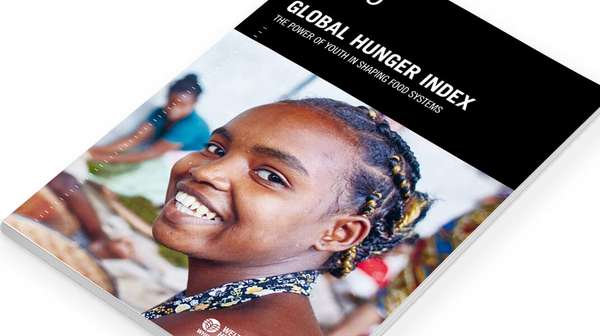
Report, synopsis, map: All documents can be downloaded here in English and other languages.
Global Hunger Index
What do we know about the hunger situation worldwide? Has progress been made or are there any setbacks? Using the Global Hunger Index, the global hunger situation can be calculated and assessed.
The Global Hunger Index (GHI) is a tool intended to comprehensively measure and track hunger and undernutrition at global, regional, and national levels. It is designed to raise awareness of the commitment to end hunger, highlights the world regions where additional resources are most urgently needed, and provides recommendations on how to take action to end hunger.
Global Hunger Index 2023: The future of the youth is under threat
The Global Hunger Index 2023 shows a dramatic development: In a time of multiple crises, progress against hunger worldwide remains largely at a standstill. In many countries, there is hardly any progress, and in some countries, hunger is even on the rise again.
The impacts of climate change and the pandemic, Russia's war against Ukraine, numerous conflicts and the weak economy have exacerbated social and economic inequalities. Poverty and food insecurity disproportionately affect young people, especially young women. Whether we succeed in involving youth and young adults will be central to successfully transforming our food systems. To create viable futures, we need new, effective, fair, and sustainable ways to produce and process food, and make it available to all. This will only be possible with the commitment and creativity of young people.
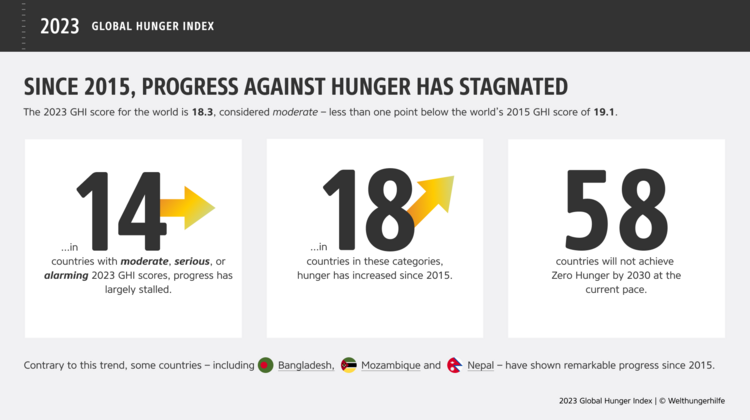
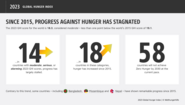
The 2023 GHI score for the world is 18.3, considered moderate – less than one point below the world’s 2015 GHI score of 19.1. Little progress has been made in reducing hunger on a global scale since 2015. There has been no significant improvement in the hunger situation in 14 countries with moderate, serious or alarming levels of hunger. In another 18 countries in these categories, the situation has even worsened. Too many people around the world are still going hungry. In 43 countries, the situation remains serious or alarming. The right to adequate food is violated for nearly three-quarters of a billion people daily.
In children and adolescents, malnutrition has particularly serious consequences, impairing physical and mental development. School-based surveys in 95 countries found that 25.5 percent of students aged 11-14 had experienced food insecurity in the previous 30 days, as had 30 percent of students aged 15-18.
Multiple crises impede efforts to end hunger
According to GHI 2023 estimates, 58 countries are unlikely to reach low hunger levels by 2030, based on their recent development. In some countries, decades of progress in overcoming hunger are in the process of being reversed.
The global effects of the COVID-19 pandemic, Russia's war against Ukraine, and higher food prices may be easing somewhat in 2023, but climate conditions are worsening and for many people the price of food is still unaffordable in many areas. On the other hand, prices remain unaffordable for many people, and climatic conditions continue to deteriorate. Structural causes of hunger such as poverty, inequality, poor governance, poor infrastructure and low agricultural productivity persist.

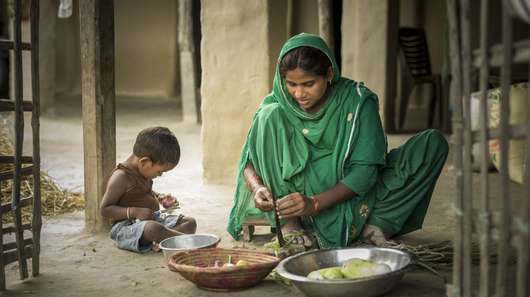
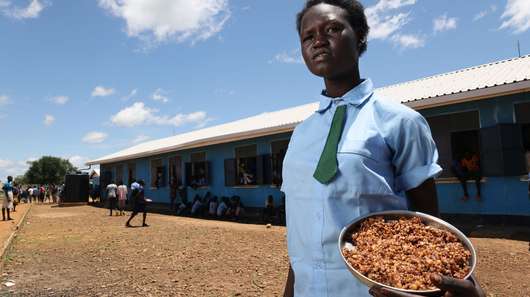
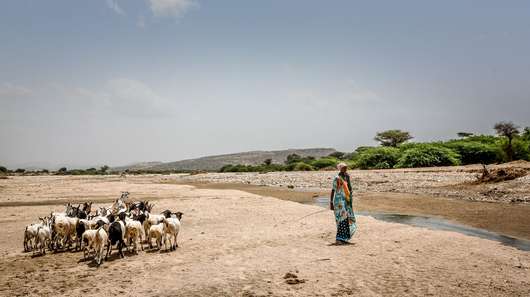
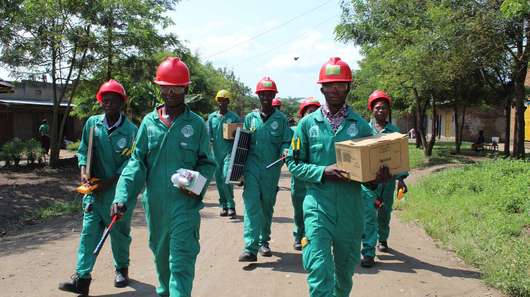
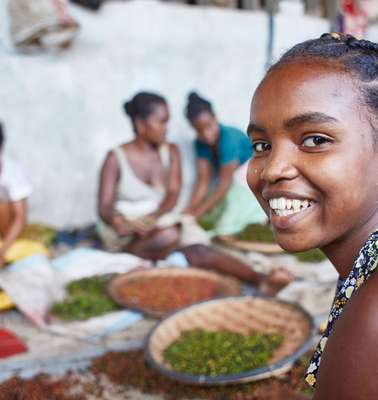
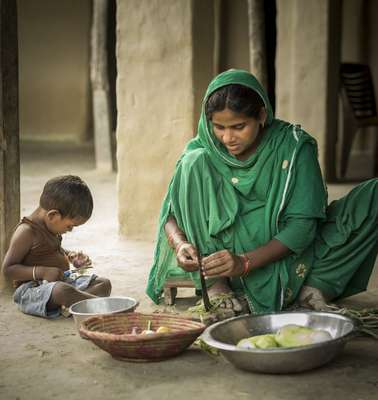
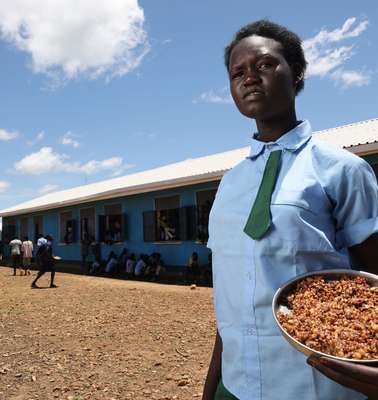
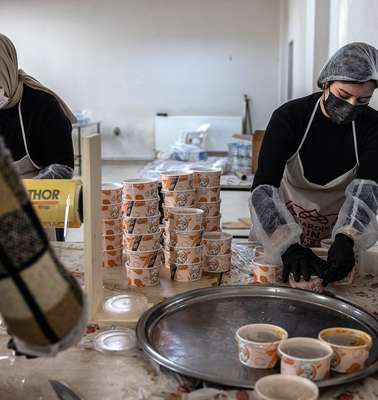
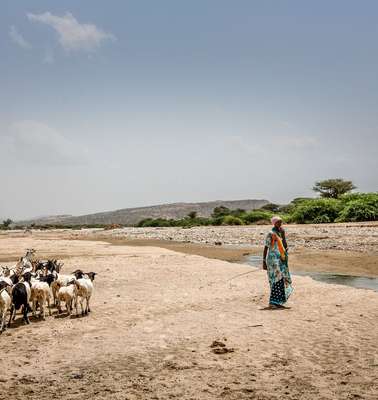
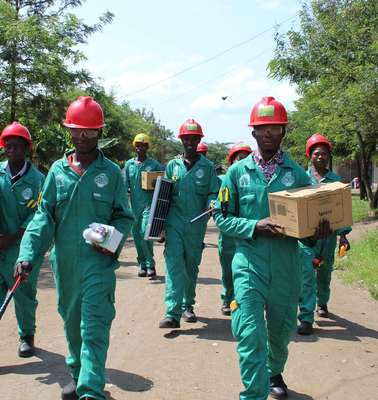
South Asia and Africa South of the Sahara are the world regions with the highest hunger levels, with GHI scores of 27.0 each, indicating serious hunger. Hunger remains serious in both South Asia and sub-Saharan Africa. South Asia has the highest rate of child wasting in the world. Here, wasting is often simultaneously associated with stunting. Sub-Saharan Africa has the world's highest rates of undernourishment, stunting and child mortality. Droughts occur here with disproportionate frequency. Africa is the only region of the world projected to experience a significant increase in the number of undernourished people. Projections indicate that the second UN Sustainable Development Goal, "Zero Hunger by 2030," will no longer be achievable. None of the GHI indicators – the prevalence of undernourishment, child stunting, child wasting, and child mortality – will meet the SDG targets.
Youth as a central force in transforming food systems
In the face of the third global food price crisis in 15 years, it is more evident than ever that our current food systems are inadequate to end poverty and hunger sustainably.
The latest figures, an interactive map and all past GHI reports.
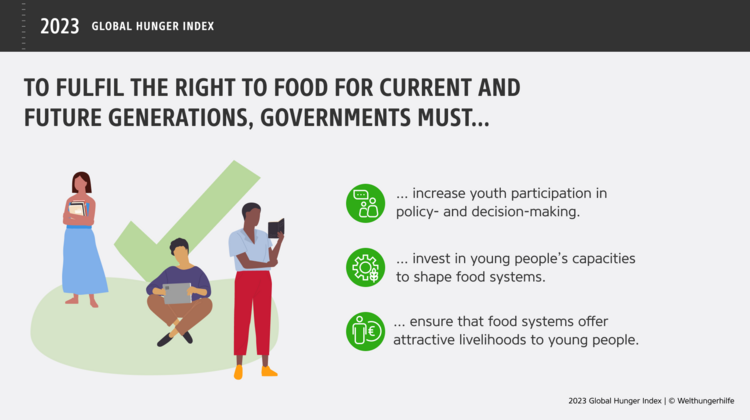
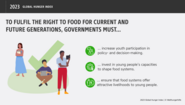
Young people must play a leading role in transforming food systems. Today, many young people are growing up in a system that neither provides them with food security nor allows them to participate in processes that affect their future. Suppose we want to achieve a state of food sovereignty in which people can exercise the right to healthy, culturally appropriate, sustainably produced food. In that case, we need the energy and innovation of young people. Therefore, we need to empower the young generation and involve them more in policy-making processes in the food system. Agriculture and food systems must be redesigned to offer young people real prospects in life – in self-determined living situations and responsible positions.
Where is hunger most severe?
This year's Global Hunger Index shows that hunger levels in many countries need urgent attention.
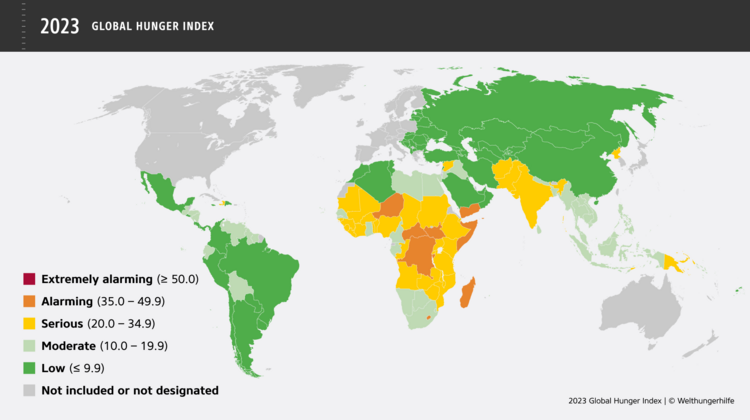
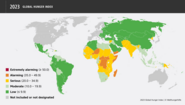
Nine countries – the Central African Republic, Madagascar, Yemen, the Democratic Republic of the Congo, Lesotho, Niger, Burundi, Somalia and South Sudan – have alarming levels of hunger, and 34 have serious levels of hunger. Food insecurity persists in some areas even in regions and countries that are performing well. However, there are signs of progress: for example, contrary to the trend, seven countries have achieved reductions of five points or more between their 2015 and 2023 GHI scores, including Bangladesh and Nepal.
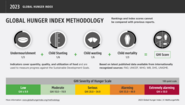
How is the Global Hunger Index Calculated?
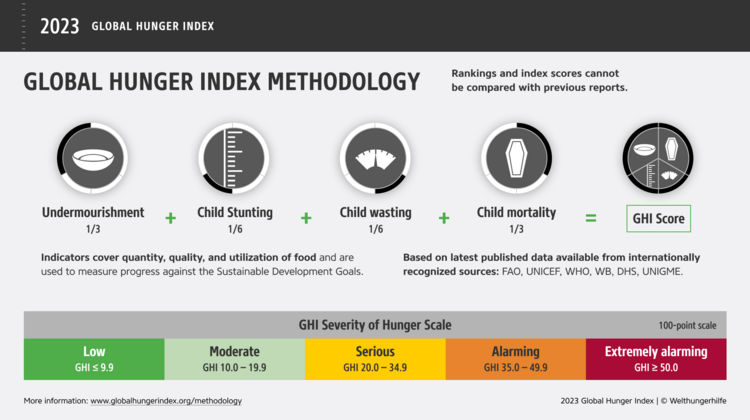
The countries analyzed can be categorized according to whether their hunger level is extremely alarming, alarming, serious, moderate or low. The higher the value, the higher the severity of hunger in the country.
The 4 Indicators of the Global Hunger Index
- Undernourishment: the proportion of the population whose caloric needs are not met.
- Child stunting: the proportion of children under five years of age who are too short for their age, evidence of chronic undernourishment.
- Child wasting: the proportion of children under five years of age weighing too little in relation to their respective heights, evidence of acute undernourishment.
- Child mortality: the proportion of children who die before their fifth birthday, reflecting in part the fatal interaction of inadequate nutrition and an unhealthy environment.
The report is published jointly by Welthungerhilfe (WHH) and the Alliance 2015 partner Concern Worldwide.
Focus 2023: Youth for a future of food sovereignity
Global food systems are outdated, unsustainable, vulnerable, and often lack inclusivity and equity! This thought-provoking video essay delves into the critical importance of food sovereignty and how it can lead us on the path to ZeroHunger.
Wendy Geza and Mendy Ndlovu, experts in transformative agricultural food systems, shed light on the current failures within our food systems and their impact on the youth. As we navigate intergenerational injustices, climate change, and economic crises, it's clear that young people are inheriting more than complex challenges.